As temperatures drop, Winter Pest Control becomes a critical priority for schools and educational facilities. Most people would think that the pests go away during colder seasons, but this is not the case because they relocate into the houses to find warmth, food, and shelter. All three are available in school buildings, which makes them appealing to rodents, cockroaches, and other overwintering pests. In the absence of proactive planning, the infestations may disrupt daily services, cause property damage, and create health risks to the students and staff.
School buildings are busy areas that have cafeterias, locker rooms, storage areas, and utility services that provide the best conditions for pests. The development of a seasonal pest control plan will help the schools to be in compliance with the regulations of health and to have a safe and distraction-free environment throughout the winter.
Common Winter Pests Found in Educational Facilities
Recognizing the pests most active in winter can assist schools in personalizing prevention practices. Mice and rats are the most common rodents that invade in cold weather. They can squeeze through the small holes in foundations, cracks around utility lines, and doors not well-sealed. They then get inside and contaminate food, chew wiring, and drop bacteria.
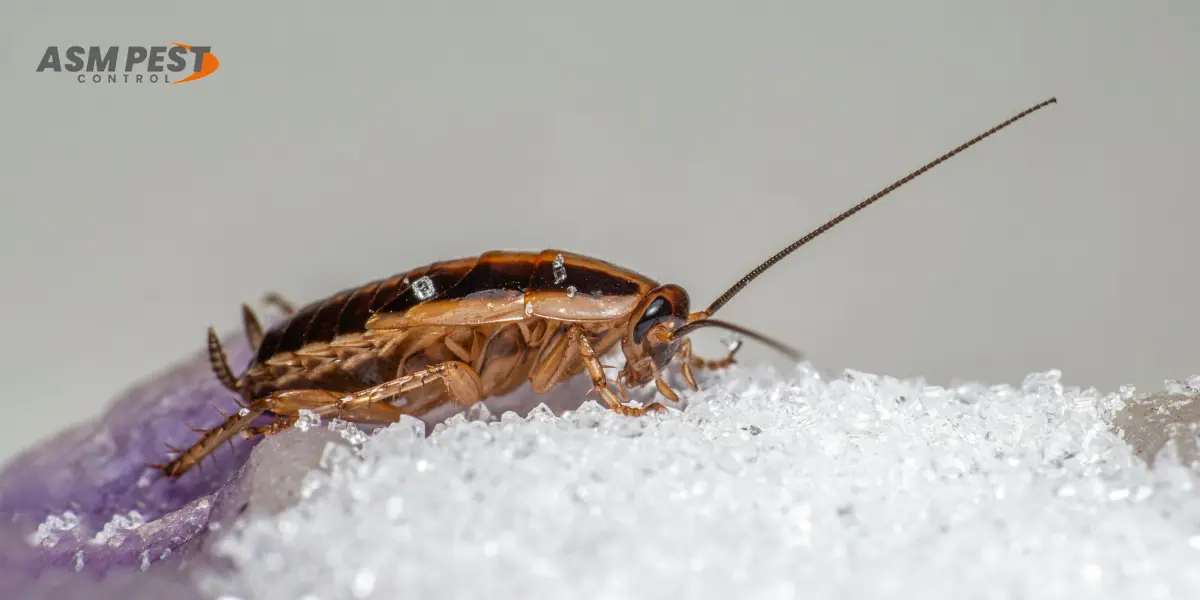
Cockroaches control burnaby are also winter active indoors, and they tend to be prevalent in warm and humid places, such as in kitchens and boiler rooms. Overwintering pests like stink bugs and cluster flies can be found in wall voids and attics, and they are activated when the indoor temperatures vary. Management of pests in cold weather requires the initial identification of these threats.
Sealing Entry Points: The Foundation of Winter Pest Prevention
One of the best ways of preventing pests is through exclusion. Schools ought to ensure a comprehensive exterior check before and during winter to detect cracks, broken weather stripping, and loopholes around the windows or vents. Rodents can squeeze in even through openings as small as a quarter inch.
Use of durable caulk to seal foundation cracks, application of door sweeps, repairing of screens, and proper insulating pipes and cables, goes a long way in preventing infestation. The rooflines and attic vents should also be checked, as these are the places where overwintering pests tend to enter the buildings. It is much cheaper to deter access than to address a proven infestation.
The Role of Sanitation in Integrated Pest Management
In schools, Integrated pest management is based on sanitation. Food remnants, crumbs, and poorly stored supplies attract the pests throughout the year, but are particularly troublesome during winter when pests are searching indoors.
It is necessary to collect trash on a daily basis, store food in closed containers, and clean up spills on time. Custodial staff are expected to perform regular deep cleaning under the kitchen equipment, behind vending machines, and inside storage cabinets where rubbish gathers. The minimization of clutter in the classrooms and storage rooms reduces hiding places and nesting areas of rodents and insects.
Adequate sanitation prevents pests, besides helping the environment remain healthier for students and staff.
Moisture Control and Facility Maintenance
Moisture is a major attractant for many pests, particularly cockroaches and certain insects. Leaking pipes, condensation around HVAC systems, and poorly ventilated restrooms create ideal breeding conditions. Regular plumbing inspections and timely repairs are critical components of winter pest prevention.
Maintaining appropriate indoor humidity levels discourages pest activity and improves overall air quality. Exterior drainage systems should also be checked to prevent water accumulation near the foundation. Addressing moisture issues early helps prevent infestations from taking hold during colder months.
Landscaping and Exterior Winter Maintenance
Outdoor maintenance directly impacts indoor pest activity. Overgrown vegetation, stacked materials, and accumulated debris near building foundations provide shelter for rodents and insects. Keeping shrubs trimmed away from exterior walls and removing leaf piles reduces pest harborage areas.
Snow management also plays a role in winter pest control. Snow piles should not block vents or create prolonged moisture exposure along exterior walls. Maintaining clear perimeters around school buildings makes it more difficult for pests to migrate indoors.
Monitoring and Early Detection Strategies
Routine inspections and monitoring devices are vital for early detection. Schools should regularly examine high-risk areas such as cafeterias, basements, maintenance rooms, and storage closets. Rodent monitoring stations and insect traps can help detect activity before it escalates into a larger problem.
Early signs such as droppings, gnaw marks, unusual odors, or sightings should be reported immediately. Quick action prevents infestations from spreading and reduces the need for extensive treatments.
Partnering with Professional Pest Management Providers
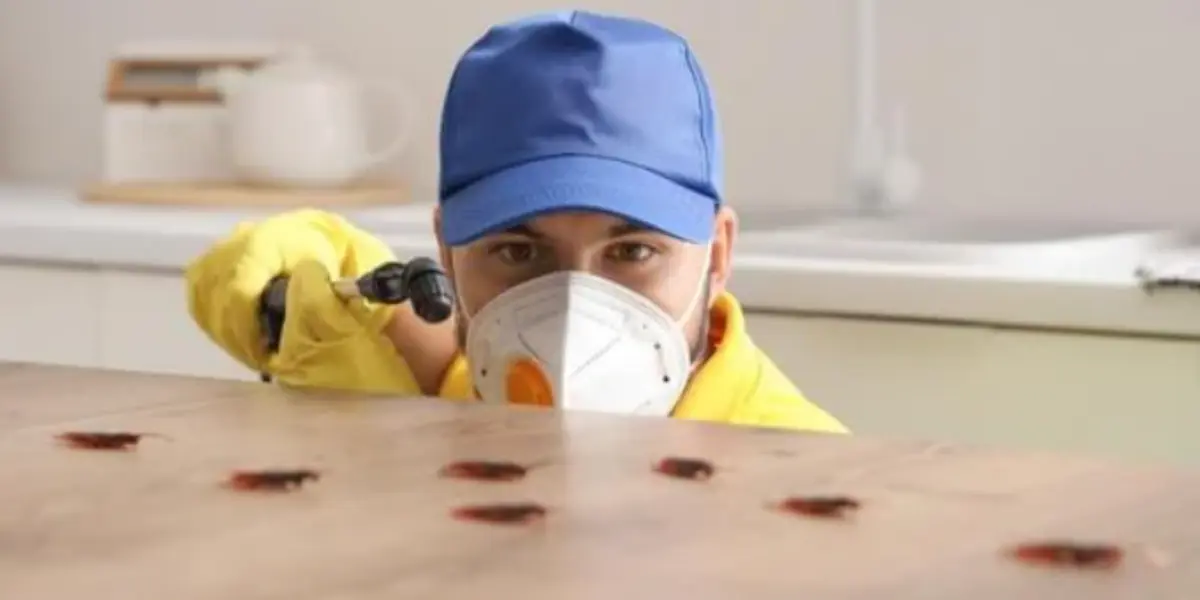
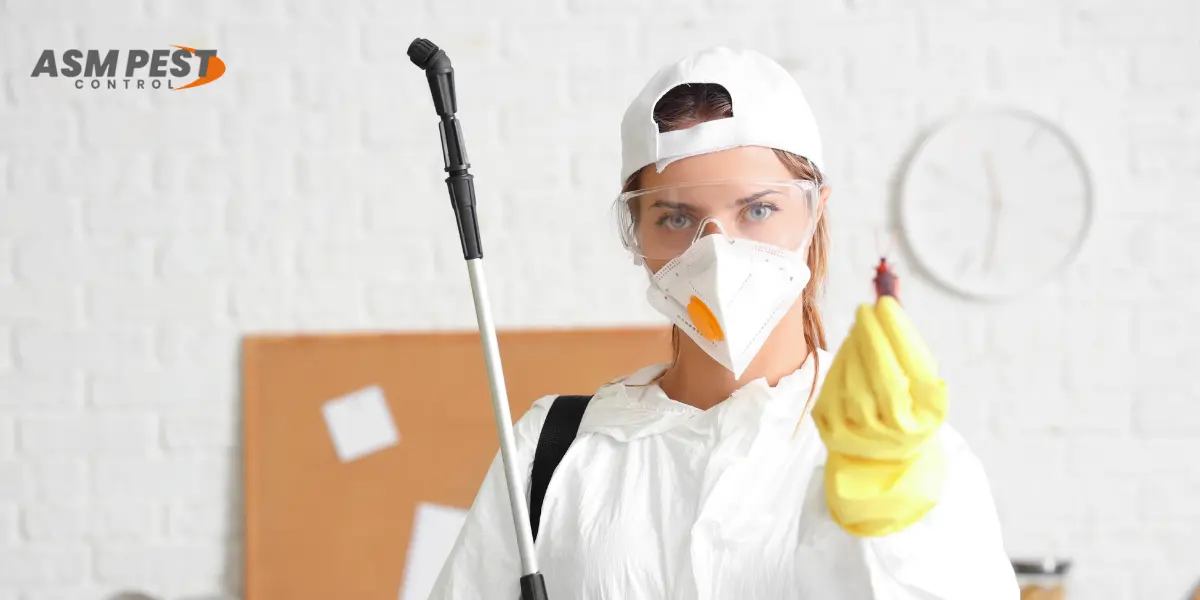
Collaboration strengthens any winter pest control plan. Professional pest management providers offer expertise in identifying vulnerabilities, implementing exclusion techniques, and applying targeted treatments when necessary. An integrated pest management approach emphasizes prevention, monitoring, and minimal chemical usage to ensure student safety.
Regular documentation of pest control surrey inspections and maintenance efforts supports compliance with health regulations and demonstrates a proactive commitment to facility safety.
Creating a Long-Term Winter Pest Control Plan
A successful strategy combines structural maintenance, sanitation, monitoring, and staff awareness. Educating teachers and maintenance teams on recognizing pest activity ensures quicker reporting and response times. By focusing on prevention rather than reaction, schools can reduce costs and avoid disruptions to academic schedules.
Technology can further enhance pest management efforts. Digital monitoring systems and data tracking allow facilities to identify patterns and implement targeted solutions, improving efficiency and long-term outcomes.
Maintaining a pest-free environment with ASM Pest Control during winter protects not only the physical structure of the school but also the health and well-being of everyone inside. A proactive approach ensures uninterrupted learning and reinforces confidence among parents, staff, and students.
Frequently Asked Questions
1. What types of pests are most common in schools during winter?
Rodents such as mice and rats are the most common winter invaders, followed by cockroaches and overwintering insects like stink bugs and cluster flies.
2. Why is winter pest control important for educational facilities?
Winter pest control is crucial because pests move indoors seeking warmth and food, which can lead to contamination, property damage, and health risks.
3. How can schools prevent rodents from entering buildings in winter?
Sealing entry points, maintaining proper waste management, reducing clutter, and trimming landscaping around the building are effective preventive measures.
4. Is chemical treatment always required for winter pest management?
Not necessarily. Integrated pest management focuses on prevention and monitoring, with chemical treatments used only when necessary and in targeted applications.
5. How often should schools schedule pest inspections during winter?
Monthly inspections are recommended, with more frequent monitoring in high-risk areas such as kitchens and storage rooms to ensure early detection and control.