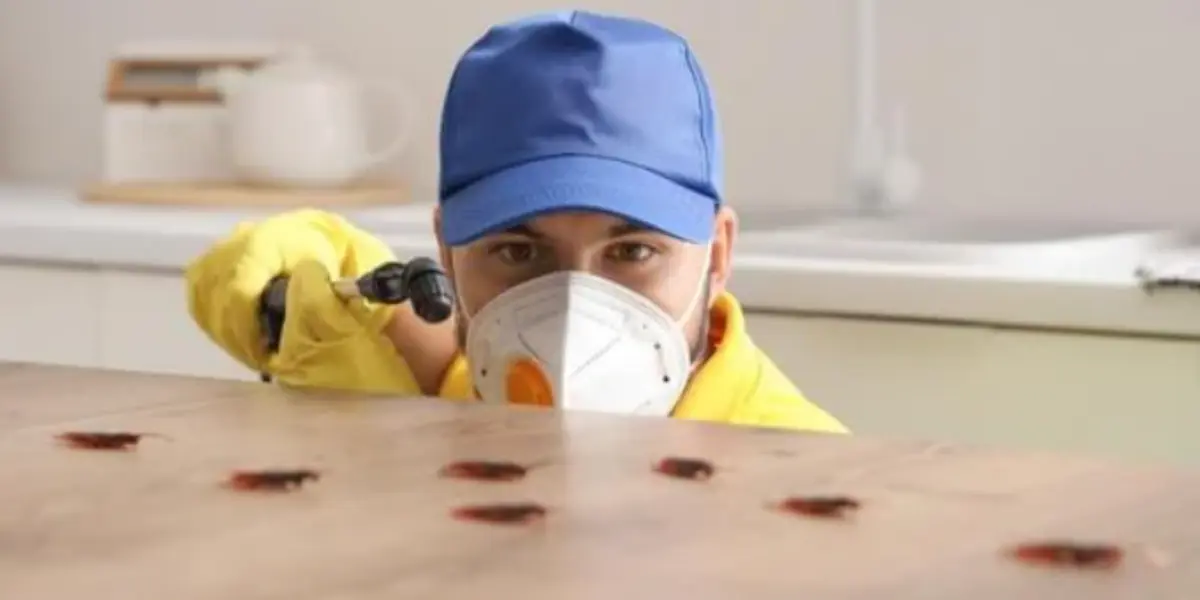
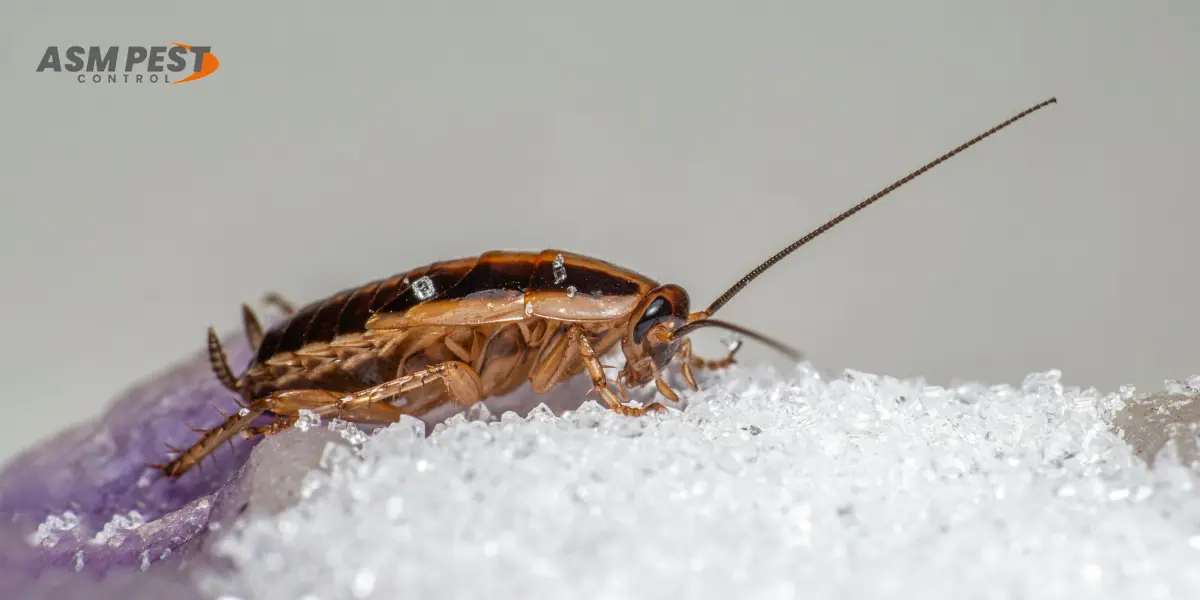
Homeowners searching for affordable and accessible pest control solutions often ask, will borax kill cockroaches, especially when trying to avoid harsh chemical insecticides. Borax is a typical household cleaning and laundry product, although it has recently been of interest as a possible method of cockroach control. Although borax may be effective in the appropriate situation, it is also necessary to learn about the mechanism of action, its drawbacks, and safety precautions before using it to control a cockroach infestation.
Cockroaches are also one of the most durable pests at home, as they can endure severe conditions and be resistant to plenty of treatment options. It is due to this that all means of control applied to them need to not only deal with the adult cockroaches but also with their mode of hiding and reproduction. Borax may help deal with cockroaches, although it does not work on its own.
How Borax Affects Cockroaches
Borax acts by breaking the digestive system of a cockroach and ruining its exoskeleton. Once the cockroaches walk across the borax powder, it sticks on their legs and bodies. As they bathe, they swallow the borax, which disrupts the digestive process and causes dehydration. This will ultimately lead to the death of the cockroach.
Borax does not take effect immediately as compared to the instant-kill insecticides. Bax cockroaches can take hours and sometimes days before death. This gradual action actually works in favor of the cockroaches in certain situations because the exposed cockroaches may bring borax into the nesting grounds, spreading exposure to other cockroaches.
Does Borax Kill All Types of Cockroaches?
Most cockroaches, such as German cockroaches, American cockroaches, and Oriental cockroaches, can be treated with Borax. Placement and accessibility, however, are crucial to effectiveness. Borax has to be in physical contact with cockroaches and be ingested to be effective.
Borax is unable to kill cockroach eggs. Hard casings known as the oothecae protect the eggs, which contain nymphs growing and ensure their safety against predators and a large variety of treatments. It implies that borax by itself will not prevent the continuation of an infestation unless used over the long run and together with other preventive tools.
Borax vs Boric Acid for Cockroaches
Borax is frequently mistaken for boric acid, which is a related substance; however, the two are not identical. Boric acid is more universally advised to control cockroaches since it is specifically refined to be used as a pest control and has a higher likelihood of working at lower concentrations. The cockroaches can still be killed by borax, but it must be properly placed and even combined with attractants such as sugar or flour to promote consumption.
Since borax is not developed as a pesticide, it can have unequal performance in comparison to boric acid or commercial cockroach baits. This is the reason why other cases of infestation present poor outcomes when borax is applied singly.
Proper Use of Borax for Cockroach Control
Borax is most effective when used in thin and barely visible layers in cockroach movement areas. Cockroaches tend to avoid piles that are heavy and may decrease effectiveness. Typical locations of placements are under the sinks, behind the appliances, along the baseboards, and near the cracks or entry points.
Borax must not be placed on exposed areas where food is prepared. It is not as effective as it involves strategic positioning and is not as widespread. Borax may be effective in the reduction of cockroach activity with time when applied properly, though it is time-consuming and requires maintenance.
Safety Considerations When Using Borax
While borax is less toxic than many chemical insecticides, it is not completely harmless. Ingesting borax can be dangerous to pets and children if used improperly. Skin and eye irritation may also occur with direct contact. This makes careful placement and limited exposure critical.
Borax should never be mixed with other chemicals, as this can create hazardous reactions. It should also be stored securely and clearly labeled to prevent accidental ingestion. Safety should always be prioritized when choosing any cockroach control method.
Why Borax Alone May Not Eliminate an Infestation
One of the biggest limitations of borax is that it does not address the root causes of cockroach infestations. Cockroaches thrive in environments with accessible food, moisture, and shelter. Even if borax kills some cockroaches, others may continue to survive if these conditions remain unchanged.
Effective cockroach control requires a comprehensive approach. Reducing clutter, sealing cracks, fixing leaks, and maintaining proper sanitation are just as important as any treatment. Without these steps, borax may only provide temporary relief.
Is Borax a Long-Term Solution?
Borax can be part of a long-term cockroach management strategy when used correctly and combined with other methods. However, it is rarely sufficient on its own for severe infestations. Professional pest control treatments or integrated pest management strategies are often more reliable for complete eradication.
That said, borax remains a popular option for mild infestations or as a supplementary treatment due to its affordability and availability. Understanding its strengths and limitations helps set realistic expectations.
Final Verdict on Borax and Cockroaches
So, will borax kill cockroaches? Yes, borax can kill cockroaches when they come into contact with it and ingest it, but it is not a fast or foolproof solution. It does not kill eggs, requires proper placement, and works best when combined with sanitation and preventive measures. For lasting results, borax should be used as part of a broader cockroach control plan rather than as a standalone fix.