Understanding the Wasp Season is essential for safeguarding your house, family, and outdoor areas. Wasps are not considered a nuisance only in warm seasons; they even become violent, particularly when they are in their colonies. Being aware of the beginning of the wasp activity, peak periods, and how to manage it in its initial stages will help you to avoid severe infestations and getting stung.
When Does Wasp Season Start in BC?
The wasp activity in BC normally starts in late spring, May or early June. It is at this time that the temperatures increase and hibernating queen wasps come out of the hibernation period to begin constructing new nests.
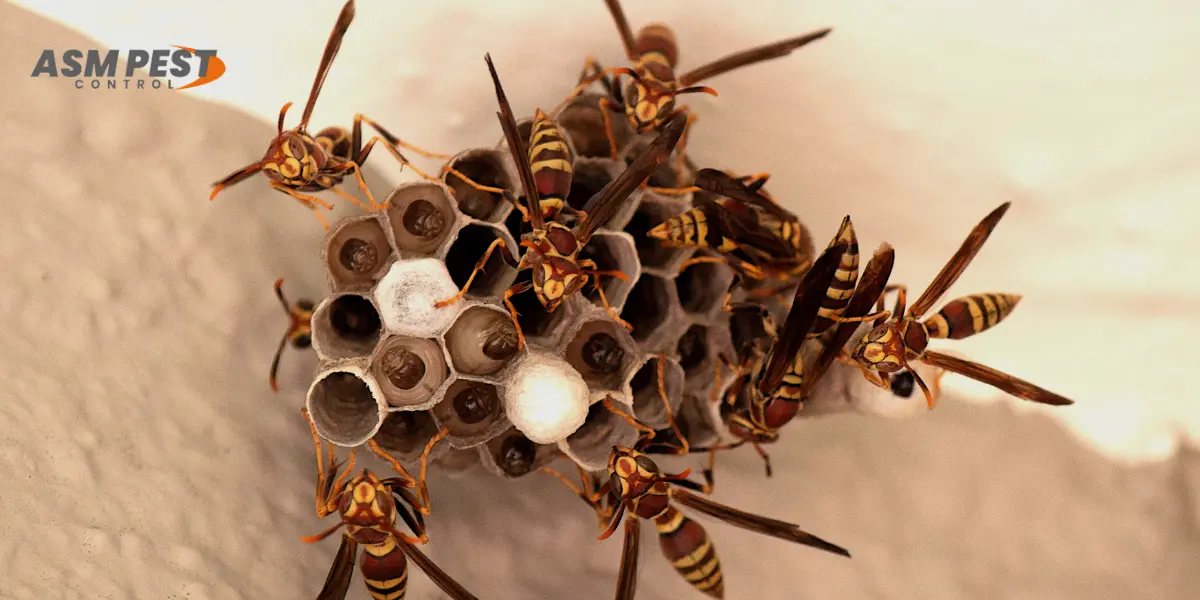
At this age, the nests are very tiny, not larger than a golf ball, and usually, there are just the queen and a few larvae developing in it. The period is, in fact, the most opportune one to act since the colony has not yet become enormous or violent.
After advancing to spring, worker wasps are now born and take on duties including expanding the nest and collecting food. It is the start of the observable activity of the wasp around houses, patios, and outdoor premises.
Peak Wasp Season in BC
The activity of the wasp control delta peaks in mid to late summer, particularly in July and August. It is in this period that the colonies multiply fast and may hold hundreds or even thousands of wasps.
Wasp aggressiveness also increases at this time. By later in the summer, due to depleted natural food supplies, natural wasps are very active in their search for sugary food, garbage, and beverages, and that is why they are most often observed at outdoor parties.
Waspers are particularly bad during this season, as observed by many homeowners. This is because it is very simple; the colony is the largest, and more worker wasps are competing over the limited food sources.
When Does Wasp Season End?
Wasp season in BC usually ends in late fall, around October or early November, depending on the weather. Most worker wasps die, but the original queen remains until the temperatures drop.
Queens that have been newly fertilized are the only ones that survive by seeking protected areas to hibernate during the winter. These queens will then come out the next spring to create new colonies and so on.
That is why, though a nest may be destroyed in winter, the wasps will still reappear the following year in the same location.
Why Wasp Activity Varies Each Year
In other years, wasps appear more aggressive than usual. This can usually be attributed to weather conditions, longer summer seasons, and the availability of food.
Warmer temperatures can extend the wasp season, allowing colonies more time to grow larger. Moreover, mild winters may cause a greater number of queen wasps to survive, and this means that there are more nests in spring.
You have found that there are more wasps this year, and it may have been due to the fact that conditions have been favorable to their survival and reproduction.
Common Places Wasps Build Nests
Wasps prefer sheltered, warm, and hidden locations close to food sources. In BC homes, common nesting areas include roof eaves, attics, wall voids, sheds, decks, and even underground spaces.
These nests are often made from a paper-like material created from chewed wood fibers. Early nests are small and easy to miss, but by peak season, they can grow significantly and become dangerous if disturbed.
If you see multiple wasps flying in and out of the same spot, it’s a strong sign that a nest is nearby.
How to Get Rid of Wasps Fast
The safest and most effective way to deal with wasps depends on the size and location of the nest. Small nests discovered early in the season can sometimes be managed with proper precautions. However, once a nest reaches peak size, removal becomes risky.
Attempting to remove a large wasp nest without proper equipment can provoke aggressive swarming behavior. Wasps are highly defensive and can sting multiple times, making DIY removal dangerous.
Professional pest control is often the fastest and safest solution, especially for nests inside walls, roofs, or high-traffic areas. Experts use specialized treatments and protective equipment to eliminate the colony while minimizing risk.
Preventing Wasp Problems in BC Homes
Prevention is always easier than removal. Regular inspection of your home in spring can help you spot early nesting activity before it becomes a bigger issue. Sealing entry points, keeping garbage sealed, and maintaining clean outdoor spaces can significantly reduce the chances of wasps settling near your home.
Simple steps like covering food, cleaning spills quickly, and avoiding strong scents outdoors can also make a big difference during peak season.
Final Thoughts
Understanding Wasp Season in BC helps you stay one step ahead of infestations. From early spring nest formation to aggressive late-summer activity, each stage of the wasp lifecycle presents different risks and opportunities for control.
Taking action early, reducing attractants, and knowing when to call ASM Pest Control can help you enjoy your home and outdoor spaces without the constant threat of wasps.
FAQs
1. When wasp season the worst in BC?
Wasp activity is usually at its worst in July and August when colonies are fully grown, and food competition increases, making them more aggressive.
2. Do wasps go away on their own in winter?
Yes, most worker wasps die in late fall, but new queens survive and return in spring to build new nests.
3. Is it safe to remove a wasp nest yourself?
Small nests early in the season may be manageable, but larger nests can be dangerous and are best handled by professionals.
4. Why are wasps more aggressive in late summer?
As food becomes scarce, wasps compete more aggressively for sugary sources, leading to increased human encounters.
5. How can I tell if a wasp nest is active?
If you see frequent wasp movement in and out of a specific spot, especially during the day, the nest is active.