
Can bed bugs be spread person to person? It is a question many would ask themselves when they find bites or evidence of these insects in the house. Bed bugs do not leap, fly, or even travel by physical touch as contagious diseases do. Nevertheless, human beings can also contribute to the spread of these pests from one place to another, particularly via indirect contact with personal properties or other places. Knowledge of how bed bugs travel and the distances they are able to travel can assist you in minimizing the risk of bringing in or transmitting an infestation.
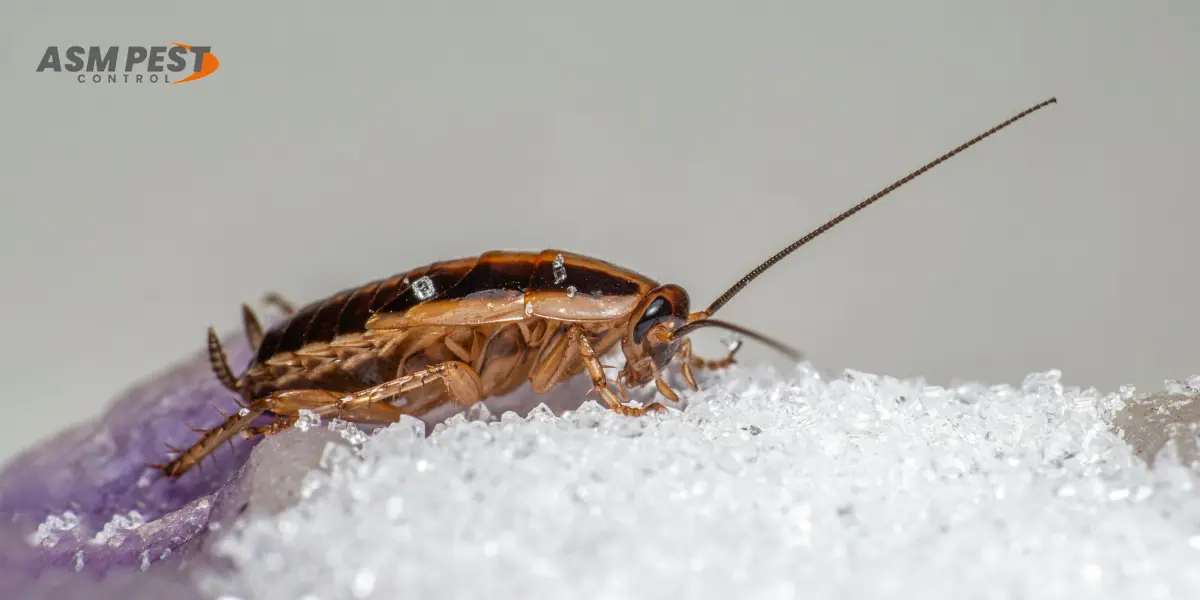
Bed bugs are small reddish-brown insects that suck human blood, mainly at night. In most cases, their presence is detected initially through their bites or dark droppings on the mattresses and furniture. Due to their good hitch-hiking skills, bed bugs may be found in places that are never expected, such as in the transport system, hotels, sleeping quarters, or even offices. Finding out how these insects are transmitted and what causes them to disseminate makes it clear why such direct person-to-person transmission is not common, but indirect proliferation is prevalent.
How Bed Bugs Move Around
Bed bugs cannot jump as fleas do or fly as mosquitoes. They creep, and they do not creep very fast. They move toward the areas where individuals sleep or rest since carbon dioxide and body heat serve as the attractors. In case a person spends the night on an infested mattress or sits on upholstered furniture that has bed bugs, they may find their way to the clothes or to the luggage. They can abandon that later and move into a new environment.
During a situation where individuals come into close contact, like in a multi-unit house or communal living quarters, bed bugs may also move through cracks in the walls, electrical points, or baseboards. As the insects are flying, they are not infecting one person to another by means of contact, as a cold or flu would. They are instead taking objects and structures as stepping stones to new hosts.
Transfers that are indirect are more prevalent than direct transfers. Assuming the case of an individual who spends the night in a room infested with bed bugs, he or she might not realize that he/she is carrying the infestation back home in his/her suitcase. On the same note, products such as used furniture, clothing, or bedding may also harbor bed bugs and bring them into a home that is otherwise free from the infestation.
Why Direct Person‑to‑Person Spread Is Unlikely
The biology and behavior of bed bugs make direct transmission between people uncommon. Bed bugs feed for a short period and then retreat to secluded hiding places. During feeding, they insert their mouthparts into the skin but do not reside on the host afterward. They prefer cracks and crevices near sleeping areas where they can remain out of sight.
Because they do not live on human bodies and do not remain attached after feeding, bed bugs do not travel directly from one person to another during normal social interactions. Hugs, handshakes, or casual contact do not provide the conditions they need to latch on. Even prolonged physical proximity, such as sleeping close to someone, usually isn’t sufficient for direct transmission. What matters more is whether the environment contains the insects and whether there are pathways for them to crawl onto belongings.
Common Indirect Ways Bed Bugs Spread
In most cases where bed bugs appear in a home, the insects arrived through indirect means associated with human activity. Travel is one of the most common factors. When people stay in infested rooms, bed bugs can crawl into zipper teeth, seams, or folds of luggage and clothing. Without inspecting and isolating these items upon return, bed bugs can escape into the home environment over time.
Used furniture and textiles are another frequent source of spread. Sofas, chairs, and mattresses that have not been thoroughly checked can introduce bed bugs into a residence. Even if only one bed bug or egg is present, a new population can grow if conditions are right.
Shared laundry facilities also present opportunities for transfer if infested clothing mixes with other items before washing. Although washing and drying at high temperatures can kill bed bugs, those steps need to be taken promptly and correctly.
How to Reduce the Risk of Bringing Bed Bugs Home
Since the most reliable way bed bugs move is through personal belongings and shared environments, taking preventive actions makes sense. When traveling, regularly inspect hotel rooms for signs of bed bugs. Check mattress seams, headboards, and curtain folds for tiny dark spots or live insects. Keeping luggage elevated and away from beds can reduce accidental contact.
After returning home, wash travel clothing immediately and vacuum luggage thoroughly. Limiting the placement of second‑hand furniture until it has been inspected and cleaned also helps reduce the chance of introduction. In multi‑unit housing, maintaining awareness and communication with neighbors and property managers can help catch infestations early and prevent spread between units.
If you find signs of bed bugs, acting early is key. While traps and interceptors can help monitor activity, they do not remove the insects on their own. Identifying and addressing hiding spots, combined with professional pest control when needed, reduces the length of time the pests are present and minimizes the chance of spread.
The Bottom Line on Bed Bug Spread
To answer the original question: can bed bugs be spread person to person? The simple answer is no in the direct sense. Bed bugs do not jump from person to person like an infection, nor do they live on the human body. Their spread is closely tied to human movement and the transportation of belongings from one place to another. In this way, people can facilitate the transfer of bed bugs without ever realizing it.
Understanding the behavior and movement patterns of bed bugs enables a more effective focus on prevention and early detection. Reducing opportunities for bed bugs to hitch a ride on luggage, clothing, or used items remains the most effective approach to limiting their spread.
Frequently Asked Questions
Can bed bugs travel between apartments without human help?
While bed bugs do not travel long distances independently, they can move through small gaps, electrical outlets, or shared walls in apartments. This is more likely in multi‑unit buildings where infestations exist in neighboring units.
Is it possible for bed bugs to be carried by pets?
Bed bugs do not live on pets or feed on their blood as their primary source. They prefer humans, so pets are unlikely to carry them long distances. However, bed bugs could theoretically crawl onto an animal’s fur if the pet rests in an infested area.
Do bed bugs only infest beds?
No. Although beds and mattresses are common hiding spots, bed bugs can shelter in furniture, cracks in flooring, behind baseboards, in luggage, and even in electrical outlets. Anywhere near where people rest is a potential hiding spot.
Can you get bed bugs from sitting in a chair?
Yes, if the chair is infested. Bed bugs do not require a bed to feed; they seek warmth and carbon dioxide. Upholstered furniture in public areas or homes with infestations can serve as feeding and hiding places.
How can I tell if I brought bed bugs home after a trip?
Check luggage and clothing for tiny dark spots, shed skins, or live insects. Wash and dry travel clothing on high heat as soon as you return home. Vacuum suitcases and keep them isolated until inspected to reduce the risk of introduction.